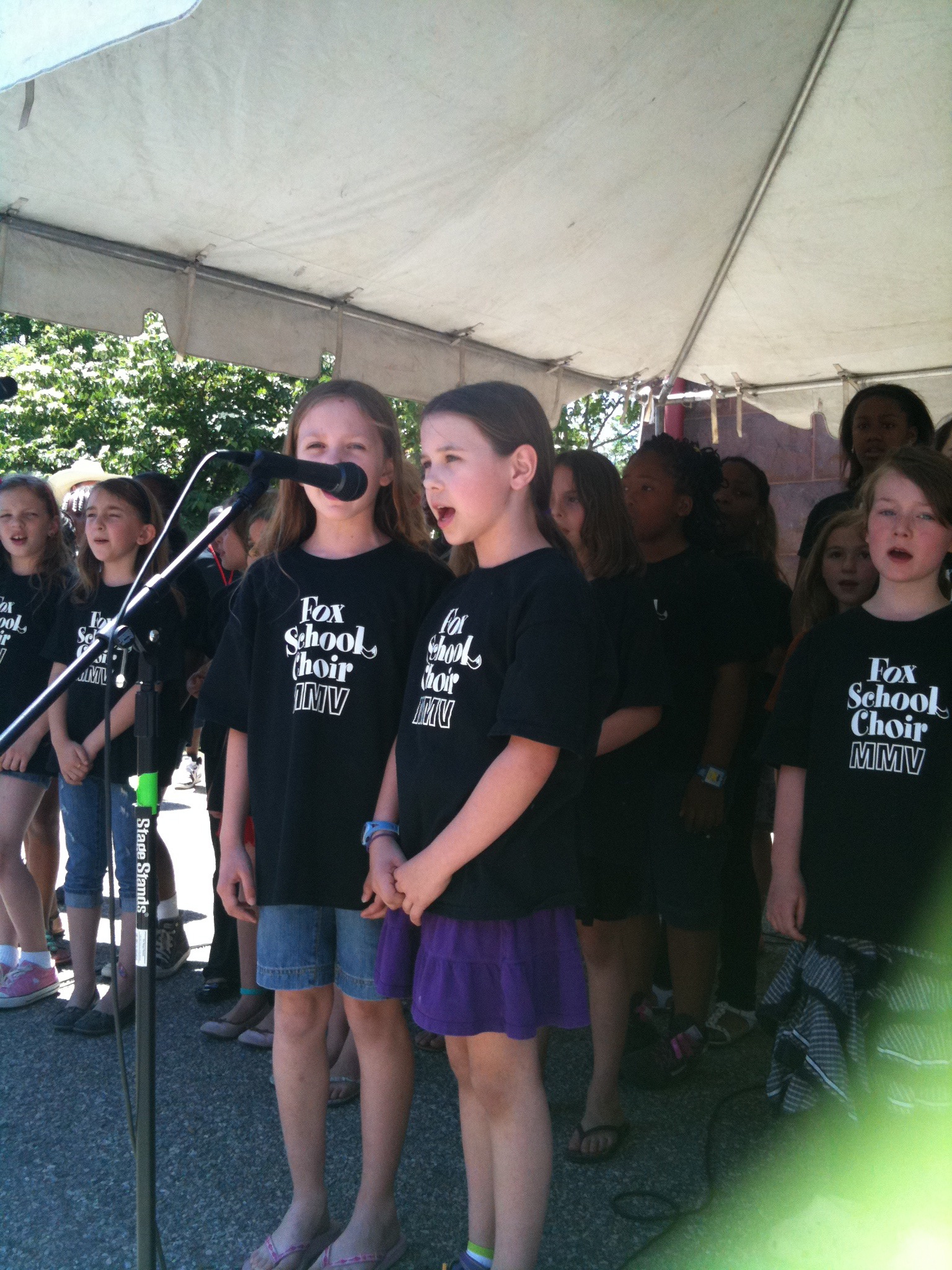
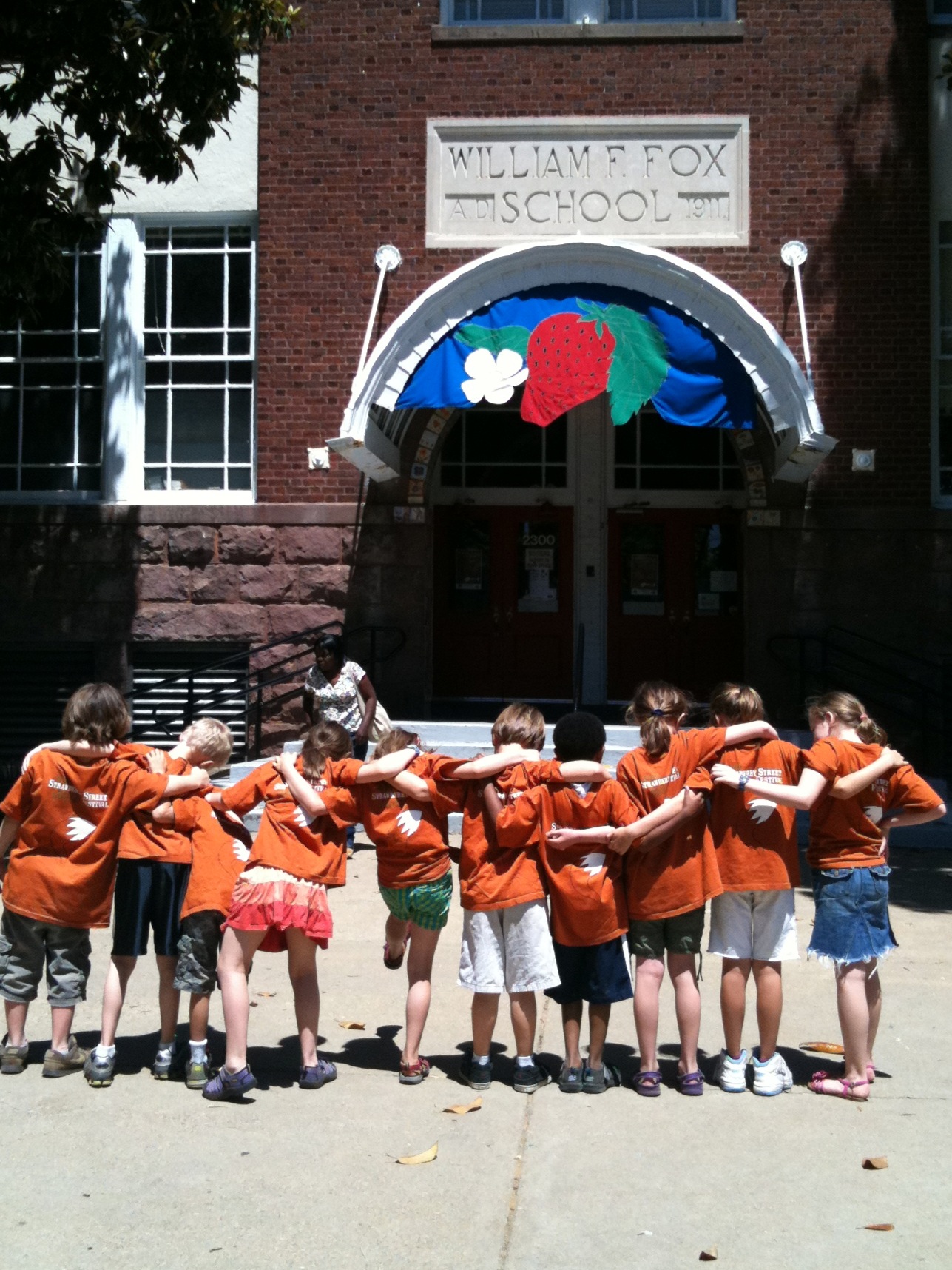
 We are knee deep in magazines in Room 204; we’ve been studying feature writing. My third graders have written articles on bullying, dealing with siblings, the Gulf oil spill, and the Strawberry Street Festival. We’ve worked on ads, advice columns, puzzle pages, and layout with stamina, enthusiasm, and skill. This is a new unit and this class helped me write it. I will teach it every year. We are loving it.
A new writing unit means an old one has to go, so I decided let go of memoir. And now I don’t know what I was thinking. Memoir, after all, is the great writing teacher, but it took reading a memoir this week for me to remember that. I’ve been reading Kai Bird’s memoir, Crossing Mandelbaum Gate.
Memory is a storyteller with a style of her own. She nudges the present moment with the past tense. Her whisper is constant, like rustling leaves on palm trees in a breeze. Memory can be loose with the truth to get her story to come out right. My memory is working with details on a continent thousands of miles away and a time that was long ago. I am the oldest of four children, and the oldest of four storytellers. We have not always agreed on the details. My brother was fond of saying,
“Ah. Annie’s idyllic childhood… where were we?”
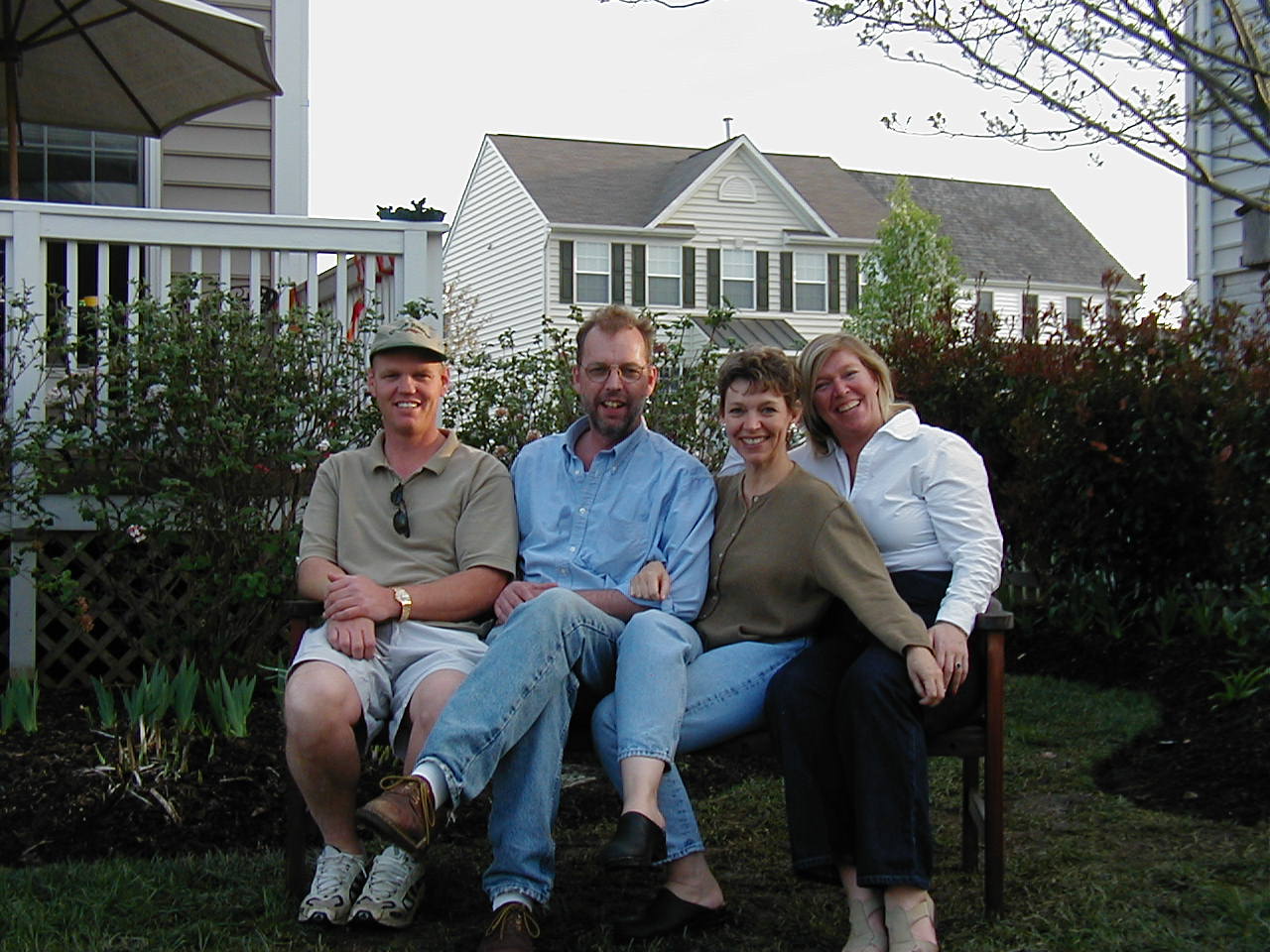
My sister wrote about my memory in her blog:
My sister has a good memory, but she shares a way of looking at the world with oh, say, Aesop, for instance. Somehow, being processed through her brain turns the most mundane event into a little vignette with a beginning, middle, end and most of all, a point.
That makes me laugh, but I know it’s true. Memory leaves me wondering: Did I really ride a horse named Carema across the Sahara sands? Did I eat mango ice cream under palm trees with the scent of jasmine in the air? Did I really swim across the Suez Canal with my father? Did I really attend school in a former Egyptian palace with bathrooms made of alabaster and faucets made of gold?
Memory is a storyteller, but memoir checks the facts and writes them down. When I opened Kai Bird’s book, I didn’t know the author. But as I turned the pages, I realized that we both boarded ocean liners with our families in 1965 (along with our family station wagons) and sailed to Casablanca on our way to live in Egypt. We were both the children of United States diplomats. We went to the same church, went to the same school, and both belonged to the Maadi Sports Club. Our parents went on the same pilgrimage to Sinai and rode camels to St. Catherine’s Monastery. His best friend was the older brother of my best friend. We both were evacuated from Cairo as the Six Day War was starting in 1967. And we both thought we would return to our houses, our pets, our belongings, and to our lives in Egypt. Neither of us did.
It is rare for a memoir to give the reader the story of his or her own life, but this is not why we read memoir. We read memoir to look through a lens that affirms the universality and the individuality of the human experience. We write memoir to write our side of our conversation with the world.
It turns out I did ride a horse named Carema across the Sahara sands. I did swim across the Suez Canal with my father. I did eat mango ice cream under palm trees with the scent of jasmine in the air. And I did go to school in a former palace.
And it turns out I will be teaching memoir this year, after all. I want my students to have the lens. And I want them to learn to write their side of their conversation with the world.

 Write Now. Write Here.