
Sweet Moments

I love Swiss chocolate, but Dove will do.  Its metallic blue foil wrappers have messages on the inside that I read with the same eager curiosity that I read fortunes tucked into fortune cookies.  It is not that I believe that a thin piece of paper tucked into a cookie or a message on a foil chocolate wrapper can tell or determine my fortune.  No, not that… but this:  a few words can be a lens to the moment. It doesn’t happen all the time, but when it does, it keeps you looking.

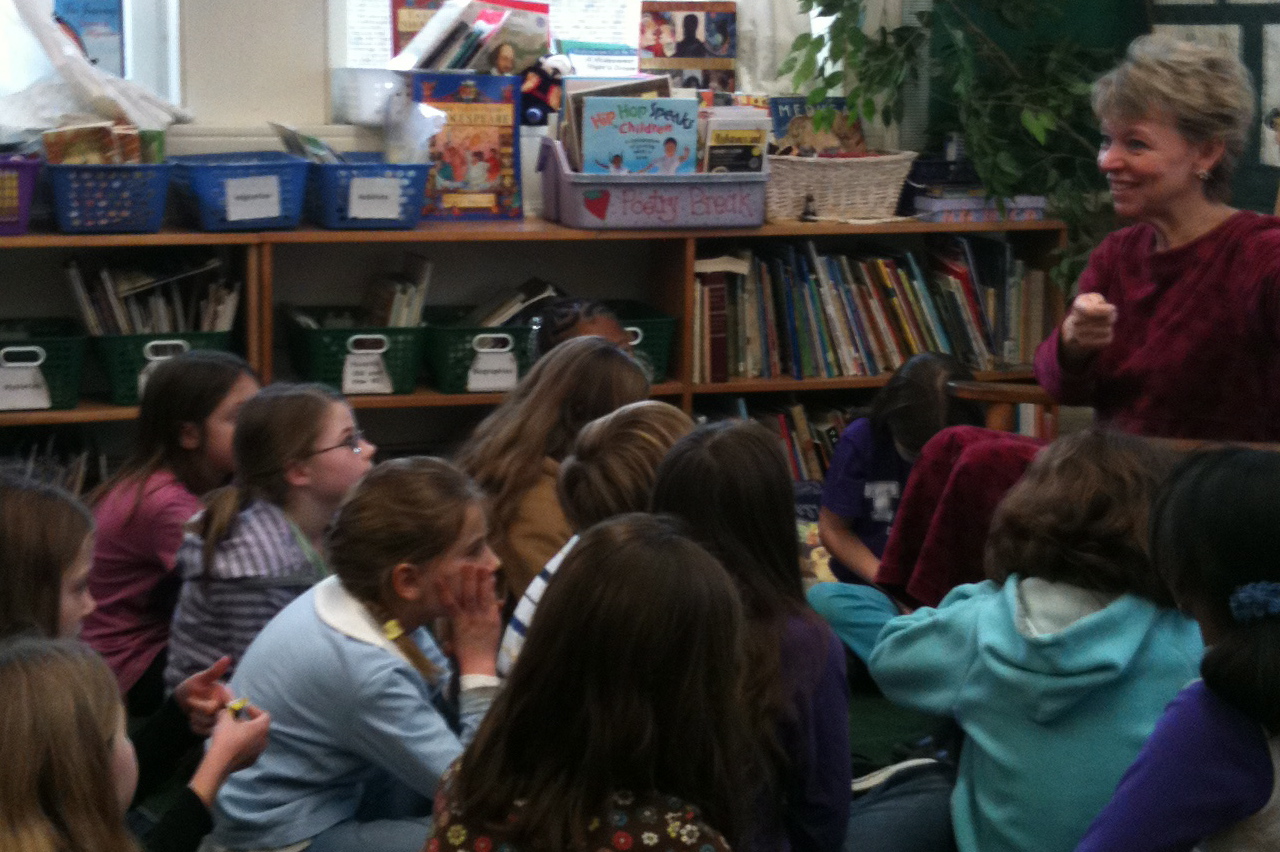
When I teach writing to third graders, I teach them to look for the small moments in the events that matter to them.  “Slowing down moment” is a technique Lucy Calkins writes about in The Art of Teaching Writing.  Teaching children to do this is a process and it isn’t easy.  Young writers often move from soccer to state fair in the course of a couple of sentences.  “Slow it down,” I say,  “Find the small moment… Write the small moment.”  It takes them a long time to get it.  And today I am reminded why.  Sometimes life is really big.

Last Wednesday we flew all night and landed in Switzerland early Thursday morning. We were tired, but so excited to meet our new baby granddaughter.  We boarded the train for Bern at the airport in Zurich.  This was the last leg of the trip and the train couldn’t get there fast enough.  We passed towns and houses and gardens and pastures of brown and white cows with big copper colored bells around their necks.  Cows are well respected in Switzerland for their key contribution to milk, cheese, and chocolate.  I remembered I still had a Dove chocolate in my pocket.  I unwrapped the blue foil wrapper and read the message inside. I couldn’t think of better words to name the moment: “Love comes in small packages.”  These words, a tiny lens to the majestic ordinary, have stayed with me all week.  There are not words to describe how beautiful and special it is to hold, rock, walk, and sing to Georgia…  but I can write about the chocolate wrapper.

The small moment is one of the many moments in a big event that surprise or delight us; it can be the prolonged ringing of church bells while cooking dinner; it can be trying to negotiate the farmer’s market without being able to speak German; it can be reading a book to a baby granddaughter.  Small moments carry the parts of life that mean the most to us.

I stood in the chocolate aisle in a Swiss grocery store and found small chocolates wrapped with postcard scenes of Switzerland.  Each chocolate is a perfect tiny package for a third grade writer.  Maybe this will lead  to another lesson on small moments.  After all,  love comes in small packages.  And so does joy.
Posted in Uncategorized | 11 Comments

From Alacrity to Zest: Keeping it Real

I love words.  If I put my favorite words in alphabetical order, alacrity would lead the list and zest would be the final flourish.  I carry my words with me the way a chef might travel with her knives–I know they help me do my best work.  Without words I would not be able to tell stories.

Children can go anywhere with a story and on Friday we took a field trip to a cave in ancient Greece.  We gathered on the rug and I asked if anyone knew that Sophia’s name had a special meaning in Greek.  They didn’t. I explained that Sophia means wisdom and philosophy means love of wisdom.  They looked interested so I told them about a man whose favorite punctuation mark in today’s world would be the question mark.  He is the father of philosophy and his name was Socrates.

They were still with me so I continued: Socrates was a teacher who told stories to get his point across. His star student, Plato, wrote down a story he told… I began the story and we stepped into a cave.

Imagine a cave where people were chained in a way that they could only see the damp dark cave wall illuminated by a fire that burned behind them.  Behind the fire was a walkway that other people journeyed across, back and forth. The fire cast shadows of these travelers — and of all that they carried — on the wall.  The imprisoned could never turn their heads to see the actual travelers, only their shadows and the shadows of their possessions.  Those shadows became all that they knew of reality.

Finally, a prisoner broke free.  At first he felt blinded and overwhelmed.  But as the world took shape around him, he adjusted to daylight and he noticed olive branches with color and fragrant leaves and twigs that cracked between his fingers. He realized that the shadows in the cave were merely a shadow of reality.

This story is a good fit for our study of ancient Greece in social studies and our study of matter in science.  But it is about more than that and got me thinking.

Ancient Greece was a long time ago, but the cave wall is never far away. And neither are the chains.  We have to be careful with technology.

I am not teaching children to be philosophers, but I am teaching them to be thinking readers and writers. Writers learn to identify experiences that are real and have meaning in their lives. Playing football or soccer is an experience.  Playing a soccer or football video game is a pastime. There is a difference. One is about living out life.  The other is on a screen… a shadow on a cave wall.

There is a difference between television shows and shining moments of sunlight, fragrance, words, and relationship.

I read aloud to my students everyday to keep the desert from encroaching on language.  Technology won’t do that.  It can’t.  Books and poetry line our hearts with word, image, and cadence that seem to surface as we think, speak, and write.

My family went on a picnic in the mountains this weekend.  We picked apples and listened to fiddle music as we had a picnic in the crisp fall air under the cloudless blue sky.  Walt Whitman’s words whispered in the leaves:

Give me the splendid silent sun, with all his beams full-dazzling;

Give me juicy autumnal fruit, ripe and red from the orchard; Give me a field where the unmow’d grass grows…

Words, like apples on branches, wait. We have to notice them and love them and grow them and choose the ones that are ripe and juicy and just right for us.  And then we pick our favorites to have as our own.  With alacrity.  And zest.

Posted in Uncategorized | 7 Comments

Celebrate It!

A celebration slows down time just long enough to live it and love it and remember it.  Celebrations give us time to catch our breath and then take our breath away.  A good celebration mixes it up: past with future; accomplishment with hope; holding tight with letting go.  Celebration gathers us as witnesses to wonder and forces us to admit we knew it all along–even on the hard days: life is good.

When Vivi announced that it was the third day of third grade, there was a hint of celebration in the air. And now these third graders have already told me that Wednesday will the third day of the third week of third grade and that we should do something special at three o’clock. And so we will.

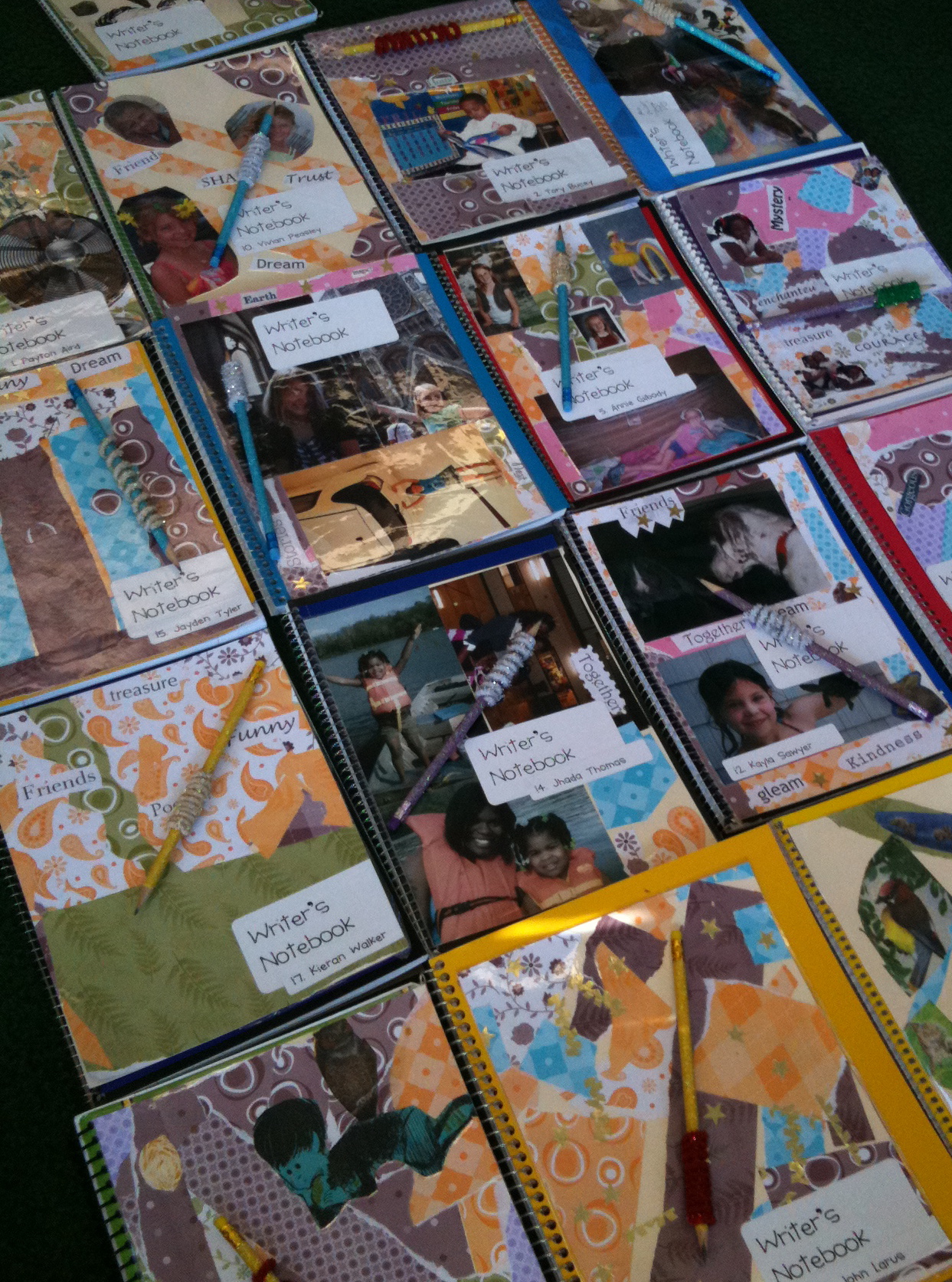
Last week we decorated our Writer’s Notebooks and had a Notebook Celebration. Rose made sparkly pencil grips with pipe cleaners. We passed out the grips on new glittery pencils.

Magic pencils help us write… Make our words vivid and bright!

As we arrayed the notebooks on the rug.  We watched them, side by side and row by row, become a quilt of who are. I read I Am In Charge of Celebrations by Byrd Baylor.  This  story  is about a girl who lives in the desert and celebrates the moments that “make her heart pound:” the day she saw a triple rainbow, the night she saw falling stars, her chance encounter with a coyote.

We are in charge of our own celebrations.  We name the moments that make our hearts pound.  We write them.  We share them.  With pencil on paper we celebrate them.  Last week soccer goals, touchdowns, two wheelers, dolphins, and first perfect cartwheels were written out 0n the first blank pages of notebooks.

We put on some music and  these third grade writers stood on chairs and shared their writing.  We had a toast with paper cups filled with water from the water fountain.

To the writers I see… To the writers you’ll be.

We’ll be in charge of our celebrations.  We won’t let the moments that make our hearts pound melt, like snowflakes, unnoticed.   We’ll write.  We’ll celebrate.  Life is good.

Posted in Uncategorized | 9 Comments

You Make Me Feel Like Dancing

I love baseball. I love the pageantry, the suspense, the sense that we are living the game as we watch it.  I love the sound of the organ revving up the crowd, the feel of the breeze,  and the reflection of the setting sun on the bank buildings downtown.  I love that the game is part our own story in real time.

But what I really love is dance. I know people who love that they saw Chipper Jones play with the Atlanta Braves or Cal Ripken with the Baltimore Orioles…. I love that I saw Rudolph Nureyev dance with Margot Fonteyn; Mikail Baryshnikov with Gelsey Kirkland; and Natalia Makarova with Ivan Nagy.  I love dance’s broad beautiful brush strokes across the stage, reaching corners that words can’t.  Words have a lot to learn from dance.

A ballet teacher that stands out for me is Madame Galina. I was fourteen.  My long-legged sister was a very talented dancer.  I was not. I had short legs. Madame was mesmerized by my sister and her talent, and we were a package deal.  Madame was patient with me.  She would walk over to where I stood at the barre and say, “Non, Cherie… more like this (zees).”

“Like this?” I would ask… as I tried again.

“Zees is better, but it is more like zees.”

And she would show me. She would demonstrate how to hold the head. The arms. The hands.  And I would learn. Slowly. Deliberately.  I learned. She had flaming red hair (which surely should have been gray) and was swathed in colorful silk. We were not allowed to wear jewelry, but Madame wore bangles up and down her arms that made a music of their own as she moved. In our floor work she would walk over to me.

“Regardez…”

In small leaps, with pointed toes, she moved across the floor.  Her steps were punctuated by her staccato voice: Like zees… like zees…  like zees… And sometimes she would have my sister demonstrate. My sister moved just like Madame Galina. It  was clear that she was not mocking Madame when would say “Like zees, like zees, like zees…” as she moved. It was also clear that I was supposed to keep a straight face when she did that.  And out of love for Madame (and for my sister), most of the time, I did.

Yesterday was one of those beautiful September Saturday mornings where you wake up and know you are going to spend the morning outside.  It was not the kind of morning where you go to a movie theater.   Unless Singing in the Rain is playing and Gene Kelly is one of your favorite dancers of all time.  As I sat in the theater eating popcorn for brunch, I thought how dance is a mix of passion and practice; discipline and devotion, tenacity and, yes, talent.  It is important for us to know that the most talented dancers practice the most. It is not magic.  Practice makes perfect for dancers and baseball players and writers.

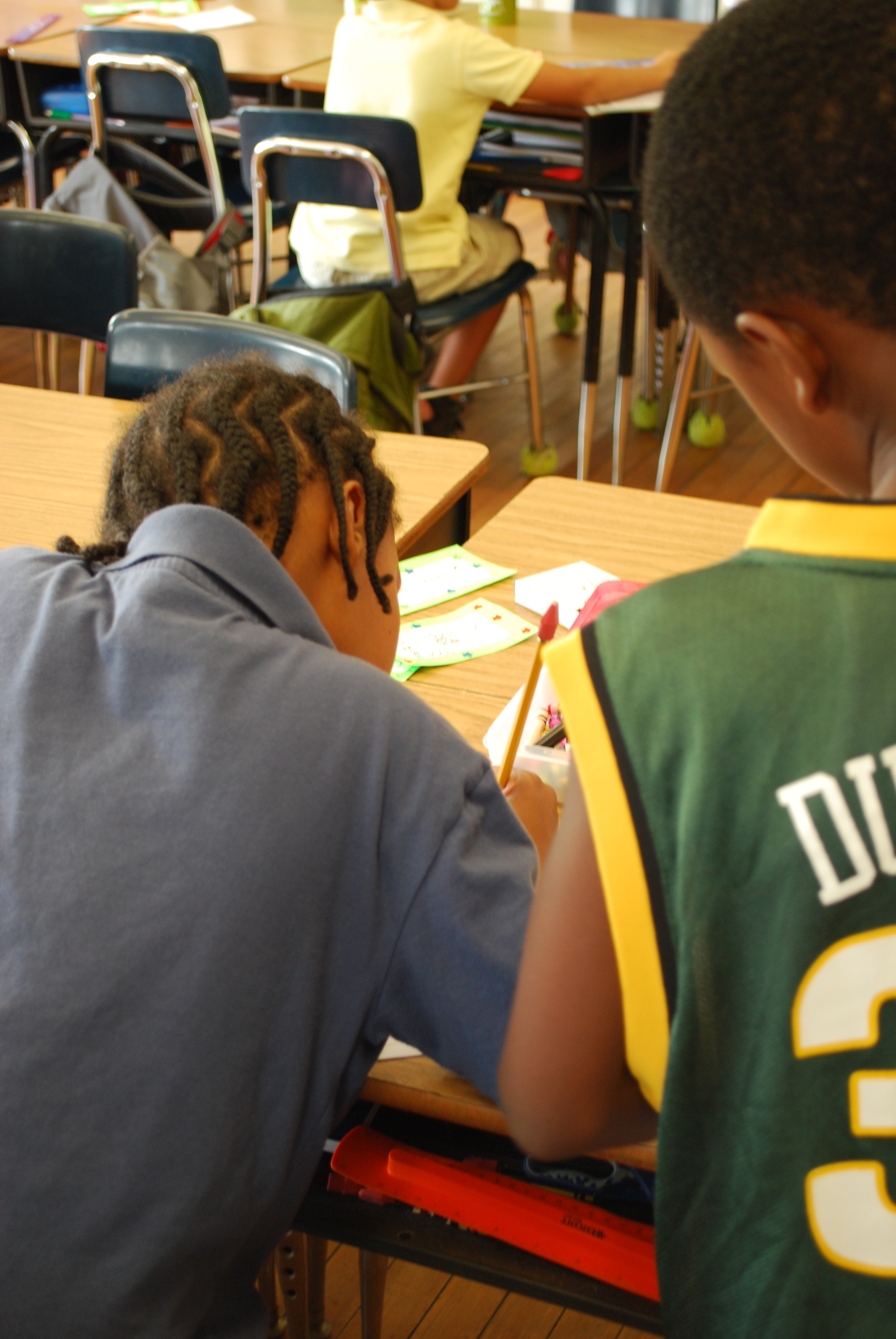
We begin Monday mornings with writing workshop in Room 204.  I use the model I learned at the Reading and Writing Project at Columbia Teachers College with Lucy Calkins.  The model starts with demonstration and is followed by practice with lots of individual conferring.

Tomorrow morning I’ll move from young writer to young writer.  Like this. Like this. Like this. Practice is key.  Practice makes perfect. Practice sets words free across the page– in broad beautiful brush strokes.  Words have a lot to learn from dance.  And teachers do too.

Posted in Uncategorized | 12 Comments

Once Upon a Sidewalk

You need a good dog song when you teach third grade in the city.  It helps. When you run into strange dogs and their owners on the way in from recess, it helps to have a song that acts as  a balm to the terrified, yet is calming to the overly enthusiastic.   Singing seems to keep third graders from running and shrieking and crowding strange animals. It  gives a dog space.  I teach the song every year on our first post-recess dog encounter.

I start:

There’s a dog on the sidewalk…

And I teach the children to respond:

“Woof, Woof!”

We sing this three times before the big finish:

And he’s hungry…

He’s looking for something to eat.

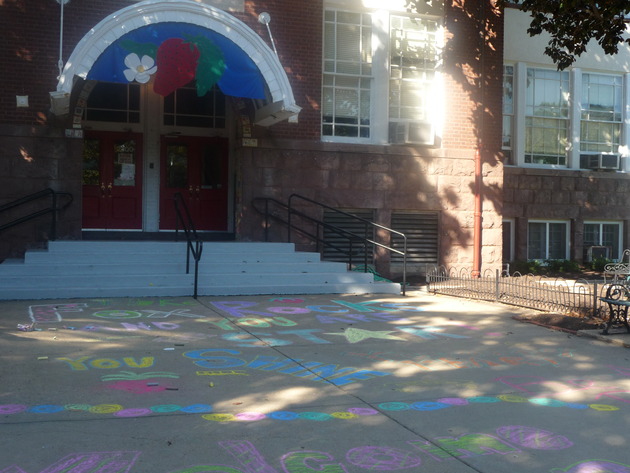
On Thursday afternoon –our third day of third grade– we saw a dog and his owner walk by Fox School as we were on our way in.  My children didn’t know the song yet, so I decided to sing it once through for them.  I started:

There’s a dog on the sidewalk…

And this is the strange part…  the dog stopped and looked at me like, “Oh, I know this one!”  And responded on key and in rhythm…

“Woof, woof!”

This happened through the whole song:  I sang my part and he sang his. Yes. I am saying that the dog and I sang a duet on the Fox School sidewalk. When it was time for the big finish, he howled.  He simply wasn’t ready to stop singing.   I looked at my children.  They were silent, but clearly amazed.  A hand went up.

“Yes?”

“Could you make that happen again?”

I shook my head.   I didn’t make it happen the first time. That is the thing about our stories… we don’t make them happen. We give them space to happen. We learn to see the story. And then we learn to tell it.  And then we learn to write it.  On the blank page we give the story room to sing.  We read and read and read and read to see how other authors see the stories around them and see what it is they do when they write them down.  But I didn’t say all that.  I don’t need to.   We’ll be living it together in Writing Workshop in Room 204.  And we’ve had a really good start.

Somewhere in Richmond there is a dog on a sidewalk with a story to tell.  And now we’ve got one, too.

Posted in Uncategorized | Tagged , , , | 14 Comments

Inner Work at the Outer Banks

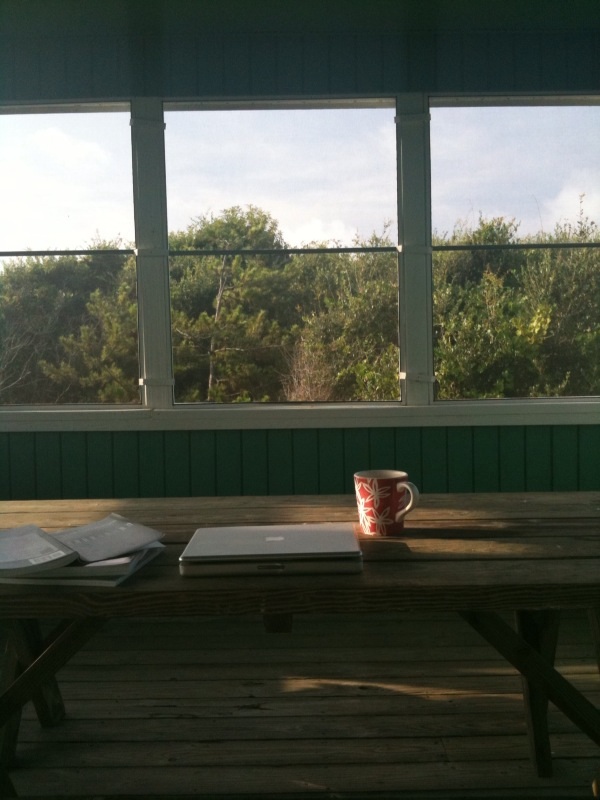
It is early morning.  I am at the beach and on the screened porch that I love.  I came in from my walk, poured my coffee, and sat down at this familiar weathered picnic table to write.  The porch is swept clean from dinner last night.  The games that followed a summer feast of crabs and corn are put away.   The floor lamp that lit the scrabble tiles has been taken back into the living room.  The porch is drenched with the dawn pink light of the early morning ocean sky; it is a place of quiet solitude.  I cherish my mornings here.

I teach writing to my third graders. I teach that writing is looking and not missing the moment.  I teach that writers write everyday. And I practice what I preach. I write what I see. And I write because, well, because life is exquisite… with moments that overfill and spill onto the page.  Writing is an invitation not to miss those moments.  This is the invitation that I extend to my students.

This morning, as I walked on the sand at the water’s edge, I watched the sun rise out of the ocean, creating a path of light across the water. I stopped and looked and there they were: dolphins arching out of the water like a line of synchronized swimmers.  You’ll only see them if you look.  Quick now. Here. Now. Always.

Summer solitude is essential to the reflective, loving, creative (and very extroverted) work of teaching.   Every August, like this porch, I am swept clean. I have room to remember what I know.

This morning an early cricket sings and in her song a warning bell rings: summer’s end, summer’s end, summer’s end. Soon I’ll get ready to teach another group of children to uncover all that is too beautiful, or frightening, or exquisite, or amazing, or awesome about life– and how to catch what spills over with a pencil in hand.  Who are they?  I don’t know yet.  But I will.  And time has taught me what I know to be true — I will love being their teacher.

There are the words of T.S. Eliot:

And the children in the apple-tree


Not known, because not looked for


But heard, half-heard, in the stillness


Between two waves of the sea.


Quick now, here, now, always—

The sun is higher in the sky.   It is time to clear this table to make way for the day’s possibilities: my husband’s fresh biscuits; children and grandchildren; sandcastles and play in the surf; games of Crazy Eights and bridge. I hear feet. I am ready for all of it.

Posted in Uncategorized | 15 Comments

From My Summer Perch

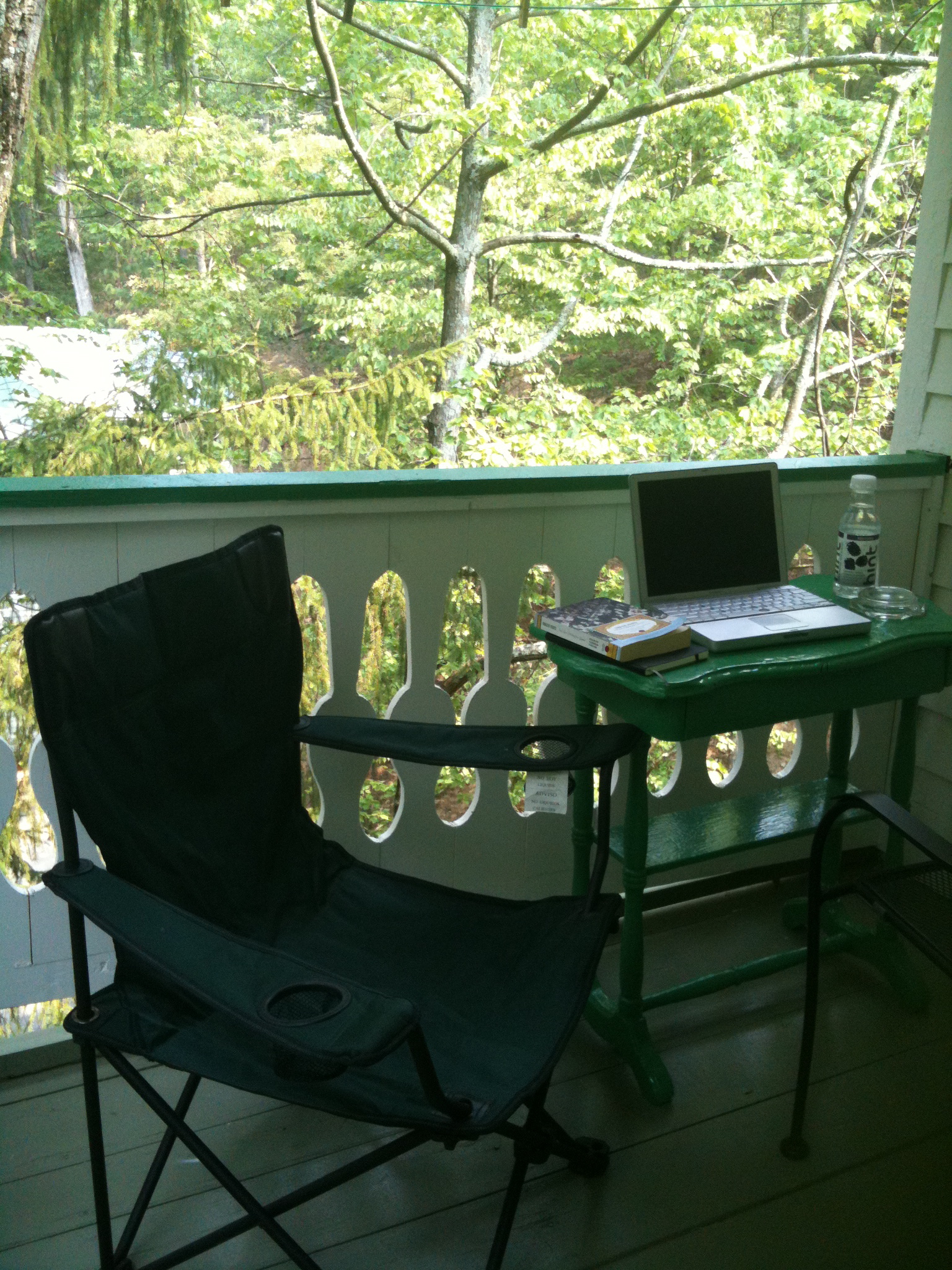
People have been asking me why I haven’t been blogging over the summer.   I’ve been away a lot.  I spent part of this summer in place in the mountains where there was no TV.  No air conditioning.  No cell phone.  I  played a lot of scrabble, listened to a lot of “porch talk,”  read a lot of books.  I went for a lot of walks.  I wrote, but I didn’t blog.  Until this past week.

This past week I was honored to be a “guest blogger” at a teaching site I love.   You can see my guest post by clicking here:

Two Writing Teachers

As hot as it is, I am loving these summer days.  The words of Mary Oliver come to me again and again:

Pay attention.  Be astonished.  Tell about it


Posted in Uncategorized | 5 Comments

Without Words

My directions are the same for each birthday:  “The birthday child takes the first bite.  But not until they taste our words.”  The birthday child stands with me and hears our words, offered child by child.   And then we end with my words.  I say what I see, what I appreciate, what I know to be uniquely true about the gifts of the birthday girl or boy.  Words are a gift in Room 204.

I was sent out of the room on Wednesday afternoon.  When it was time to go back in, I walked up the stairs hearing my class sing “Happy Birthday, Mrs.Campbell.”  I walked in and saw tables carefully set with treats that the children brought in.  “Surprise!”

One child announced, “Mrs. Campbell takes the first bite, but not until she tastes our words.”  Another handed me a tissue.  Another explained, “We will each stand by you as you taste our words, just like you have stood by us on our birthdays.”

One after another my third graders  came forward to fill my cup with birthday words.  I knew that  each hug was about more than my birthday;  we were beginning our good-bye.

“Mrs. Campbell, your third grade teacher would be so proud of you,” one child said.

We ate the treats.  We played a class version of Bananagrams with Cheeze-Its that had letters on them.  We laughed.

This birthday ritual was a tangible example of children owning what they had been taught. I was so touched.  But where are the words?  I know words. I have words. I love words. The only words that come are from Marcel Marceau:

“Do not the most moving moments of our lives find us all without words?”

Thank you, Third Graders… for the beautiful book, for the beautiful words, for the beautiful birthday, and for the very beautiful year.


Posted in Uncategorized | 16 Comments

Seeing the Essential in June

June is joy.  The air seems to sparkle with celebration, and yet … there is a wistfulness. June is the bittersweet beauty of finishing something good and letting it go.  June is the last page of a favorite book that will be put away carefully—treasured and never to be forgotten.  June is saying good-bye to a group of children and parents I have grown to love.

Favorite books help me understand June in Room 204.  Charlotte’s Web helps me understand that teaching these children has been part of my life’s work.  Charlotte would call this her magnum opus.  The Secret Garden provides a beautiful metaphor for the classroom as a walled space where wonderful transformation can take place. Mary Poppins reminds me that I give children what I have to give and when it is time for the wind to change my work is done.   A teacher’s love requires a quick release.

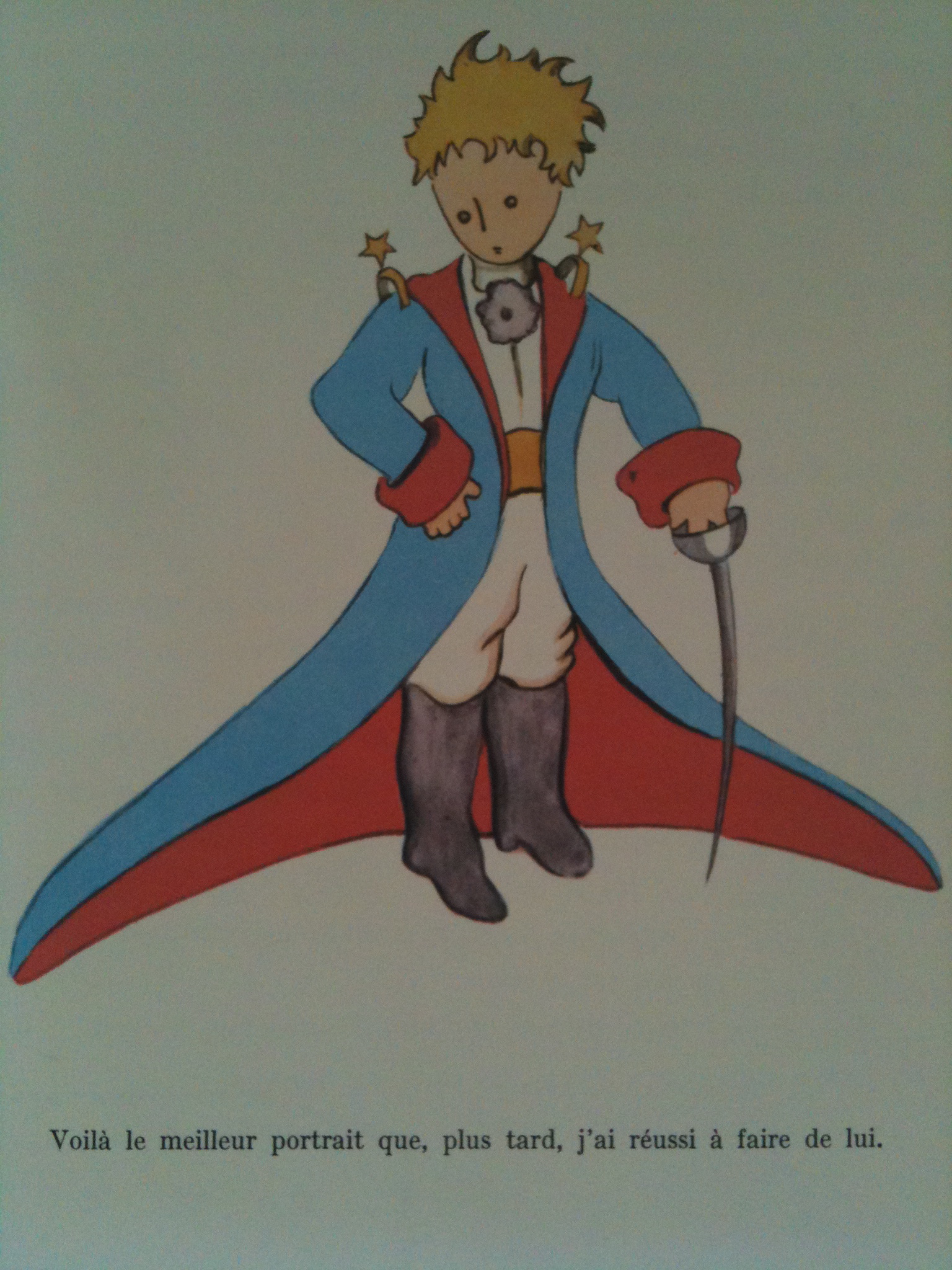
Last week a riot of pink roses decked the garden walk at Richmond Hill and I was reminded of another book that helps me understand June: The Little Prince by Antoine Saint-Exupéry.  Someone gave me this book when I was a child.  I read it, but didn’t get it.  Later, I had to read it in French Literature.  I didn’t get it in French either.

One June day I went for a walk in the Fan and wandered into The Black Swan Bookstore.   Aimlessly, I ran my finger along the spines of the books on the shelves in the Children’s section and pondered the end of the school year. There it was: The Little Prince.  I pulled the book off the shelf and sat down on the floor.  I was going to give the book one more chance and then, suddenly, I was entranced. From the dedication (“to the child this grown-up once was”) to the last page, I relished the beauty of this book.

Why do the children I teach seem so extraordinary year after year?  I found the answer in the pages of The Little Prince.

The little prince wondered why his rose seemed so magnificent when there were so many others.  The fox told him (and me) the secret…

“Here is my secret.  It is very simple:  It is only with the heart that one can see rightly; what is essential is invisible to the eye.”

That’s it.  In a schoolroom a teacher has to learn to look with her heart to really see children.  Why do the children I teach seem so extraordinary?  Because they are.

Teacher, teacher what do you see?

I see an extraordinary, beautiful, insightful class looking at me.

In two weeks the wind will change, the classroom will empty, and the echoes will fade down the hall.  And then, like a walled garden, Room 204 will rest, and wait.

But now we are together.   These children will help me create our final unit on Fairy Tales and Storytelling.  It is an appropriate way for us to end.  After all, we are part of one another’s happily ever after.

Posted in Uncategorized | Tagged , , , , , , | 8 Comments

Kickin it Old School

For years, the only technology in my classroom was a record player.  People used to ask why I didn’t use “technology-in-the-classroom” (said as one word and with reverence) and I just laughed, “Give me a library card and a piece of chalk and stand back and watch me work.”

But something happened.  Now when people ask me about technology in the classroom, they are often asking me for advice.   Me.  I still use the words “text” and “friend” as nouns.

But it is true that something changed along the way.  I now create playlists of music to bring our curriculum to life.  I use a digital camera to document our work together. I create movies to showcase student work and process. I upload homework, email newsletters, and blog about teaching.

I use a document camera, projecting children’s writing, to teach grammar lessons; or comic strips to teach inference skills; or maps to teach geography. I project poetry on the wall for choral reading. I use art and movie clips to help children visualize the world’s story.  Yes, I use technology in the classroom. Lots of it.  But I am still skeptical.

My third graders spend very little time on computers.  Screen time is screen time and plugging a child in is just that.    I am cynical about any activity that is called “interactive” and does not involve other people.  School is about building scholarly stamina and focus; screen time rewards partial attention.  School is a community event; screen time is solitary.

I am a researcher at heart.  Every year I ask who has a T.V. in their bedroom.  Hands shoot up, but not all of them.  The results interest me.  My top students rarely have televisions in their bedrooms.  My struggling students often do. I realize there are many more variables at work here.  But over the years I have come to see television (and video games) as one of the variables in a child’s success or struggle.

Friday in morning meeting, I offered a circle question.  “Is technology an advantage or disadvantage?”  I wondered how these savvy students who have never known the world without the internet would answer?

Their answers surprised me.  They worried about the environment.  What??  I pointed out that computers were greener because they helped us use less paper.

But they countered with a discussion about electricity and fossil fuels and landfills.   Wow.  I came away from that discussion with new questions, and I was immensely proud that my students were applying our science unit to real world examples — examples that I had not thought of at all!

They also said that technology might keep you from wanting to do other things like go to the library.  Or play outside.  They said that too much technology could lead to obesity.

They said that the internet affected how often people bought newspapers.  Or used encyclopedias.

One of my girls silently got up and got a book from her desk.  She came back and took her place in the circle.  When it was her turn to speak, she shyly said that she had a book that fit perfectly with our discussion and hoped I would read it aloud.  I wasn’t familiar with the book, but this intuitive girl has a sense about such things, so I read it right on the spot.

She was right; it did fit.   It turns out the book, Aunt Chip and the Tripple Creek Affair, is a parable by Patricia Pollaco.  In it a television tower replaces a library and the books once housed there are used in construction. The value of books and the joy of reading fade from institutional memory over a fifty-year period.  And then, because a child wants to learn to read, reading is brought back.  The children in the community bring back the joy of reading to the adults.

I am indebted to the ways technology has enhanced my teaching and my life. My son’s deployments in Iraq would have been so much harder without it.  I love being able to skype with my stepdaughter in Switzerland as we wait for her baby to be born.  Technology in the form of Kindle has rekindled my mother’s reading life.  But these are all personal relationships that were built before texting and friending and skyping and downloading.  Relationships still need that old-school kind of building now.

I love my iphone and google and facebook, but I also know this: I do not want the world wide web to take us away from the wide world of wonder.

I still need that library card and a piece of chalk and a roomful of deep-thinking and insightful children who love to read.  It can be enhanced, but it can’t be replaced.

Posted in Uncategorized | Tagged , , , | 7 Comments